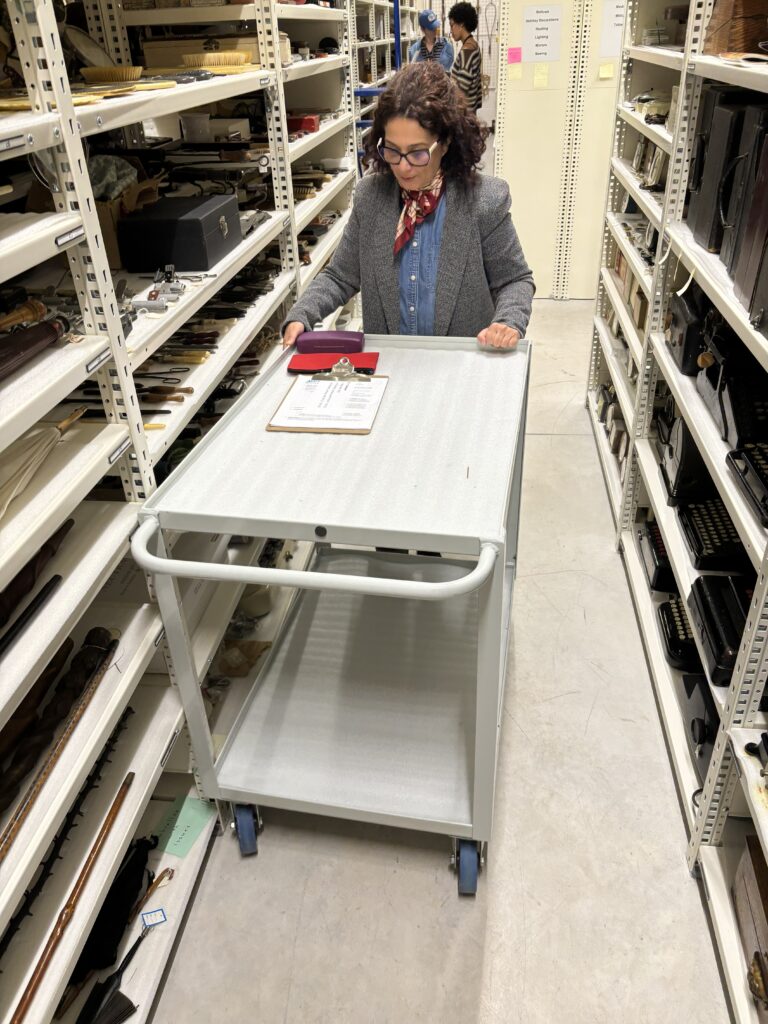
Collection management is a core component of museum practice, encompassing the systematic care, documentation, preservation, and accessibility of cultural and artistic holdings. It involves establishing clear acquisition policies, maintaining accurate records, and ensuring ethical stewardship throughout an object’s lifecycle. Documentation typically includes cataloguing, provenance research, condition reporting, and photographic records, all of which support accountability, research potential, and long-term preservation. Preventive conservation plays a central role, requiring appropriate storage environments, handling protocols, and risk management strategies to mitigate deterioration. Collection management also connects operational responsibilities with interpretive goals: well-maintained records and stable objects enable exhibitions, loans, education initiatives, and scholarly engagement. Increasingly, digital collection systems enhance accessibility and transparency, allowing institutions to share knowledge beyond physical storage spaces. Equally important is an awareness of cultural sensitivity, repatriation considerations, and community collaboration, particularly when collections relate to living cultures or contested histories. Effective collection management, therefore, balances custodial care with intellectual responsibility, ensuring that collections remain both protected and meaningfully activated for public knowledge, creative inquiry, and future generations.
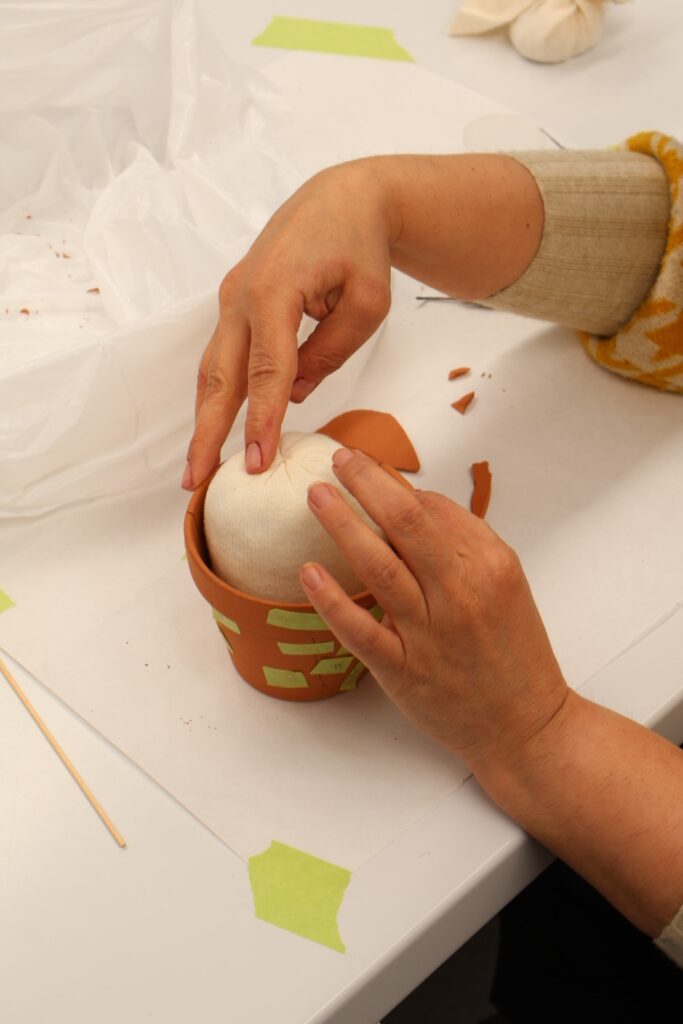
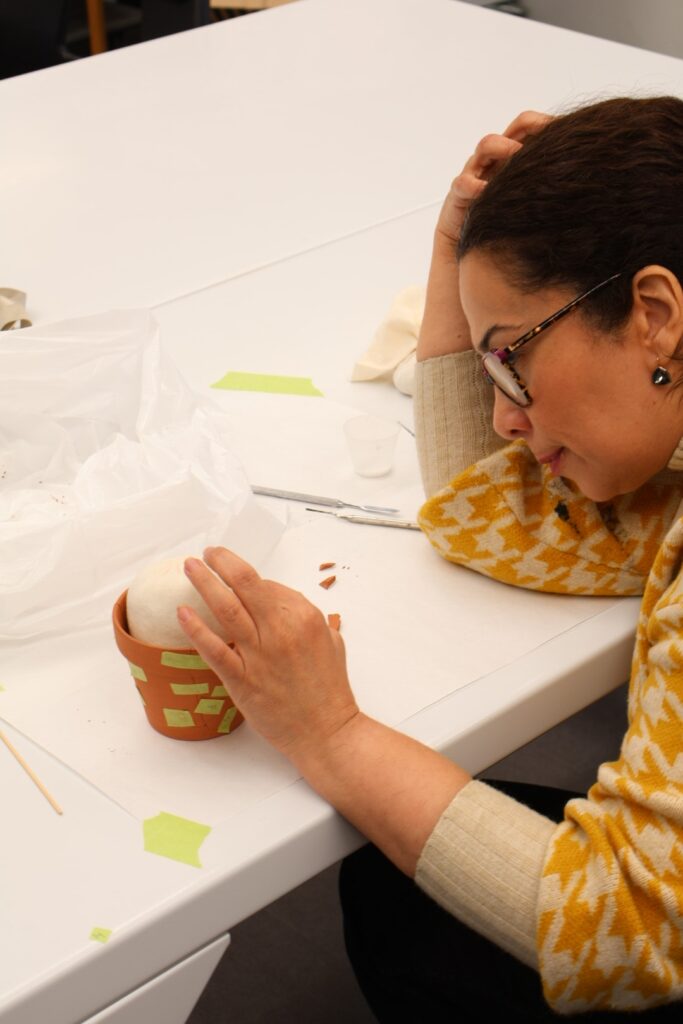
Repair in collection care and conservation is not simply fixing damage, but stabilizing objects while preserving their authenticity and history. Conservators prioritize minimal, reversible interventions using archival materials to prevent further deterioration. Careful documentation ensures that any repair becomes part of the object’s ongoing record rather than concealing its past.
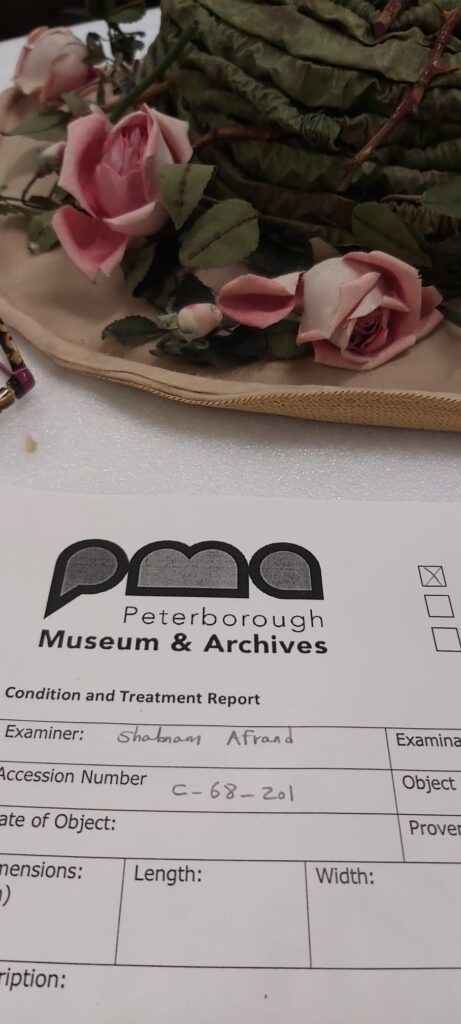
Documentation of artifacts is a core component of collection care, ensuring that each object’s condition, provenance, materials, and conservation history are accurately recorded. This process supports responsible stewardship, facilities research and exhibition planning, and provides a reference for future conservation decisions. Clear, consistent documentation helps preserve not only the physical object but also its cultural and historical context.
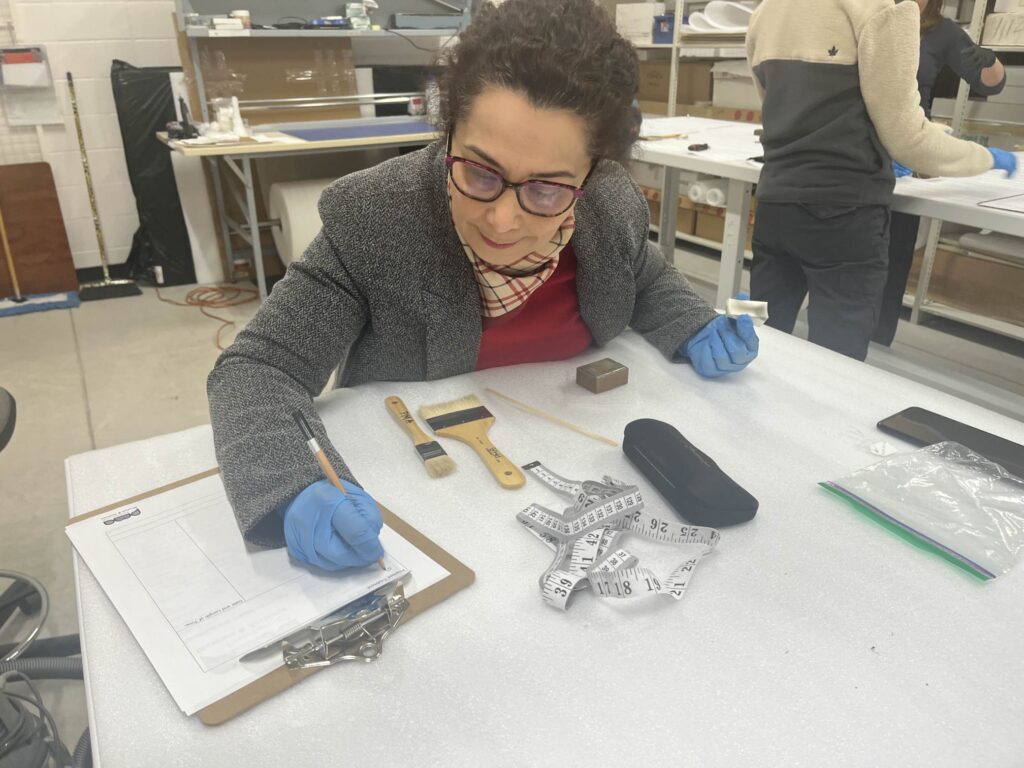
Condition Record
A condition report is a detailed record of an artifact’s physical state at a specific point in time. It documents existing damage, signs of deterioration, materials, and structural stability, often supported by photographs. This report helps guide conservation decisions, supports safe handling and transport, and provides a reference for monitoring any changes over time.
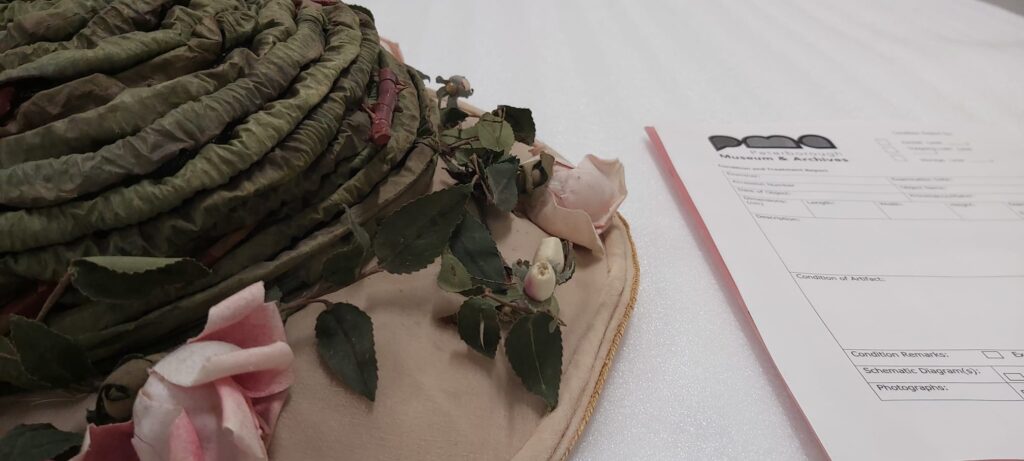
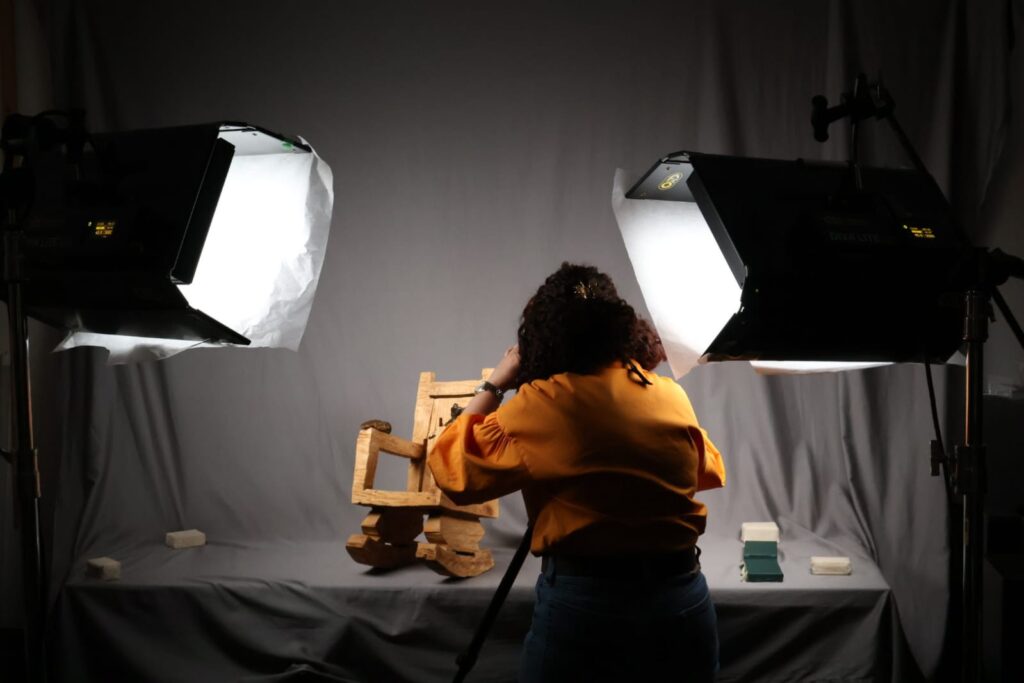
Photo documentation is an essential part of collection care, providing visual records of an artifact’s condition, details, and changes over time. It supports conservation assessment, research, exhibition planning, and insurance documentation. Consistent, high-quality images help ensure accurate tracking of an object’s preservation and history.
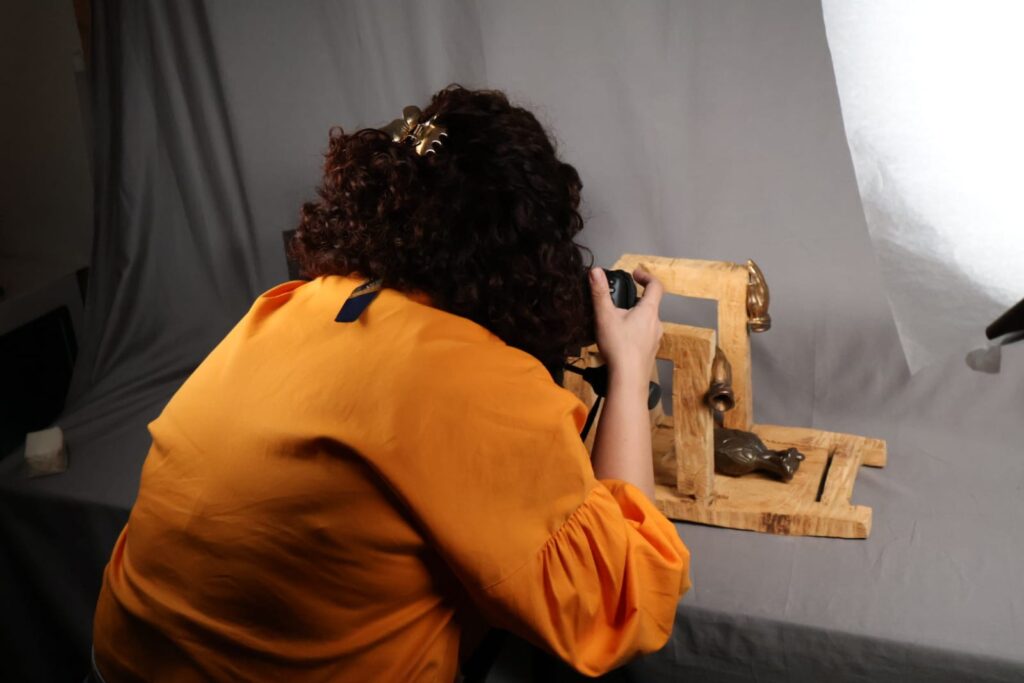
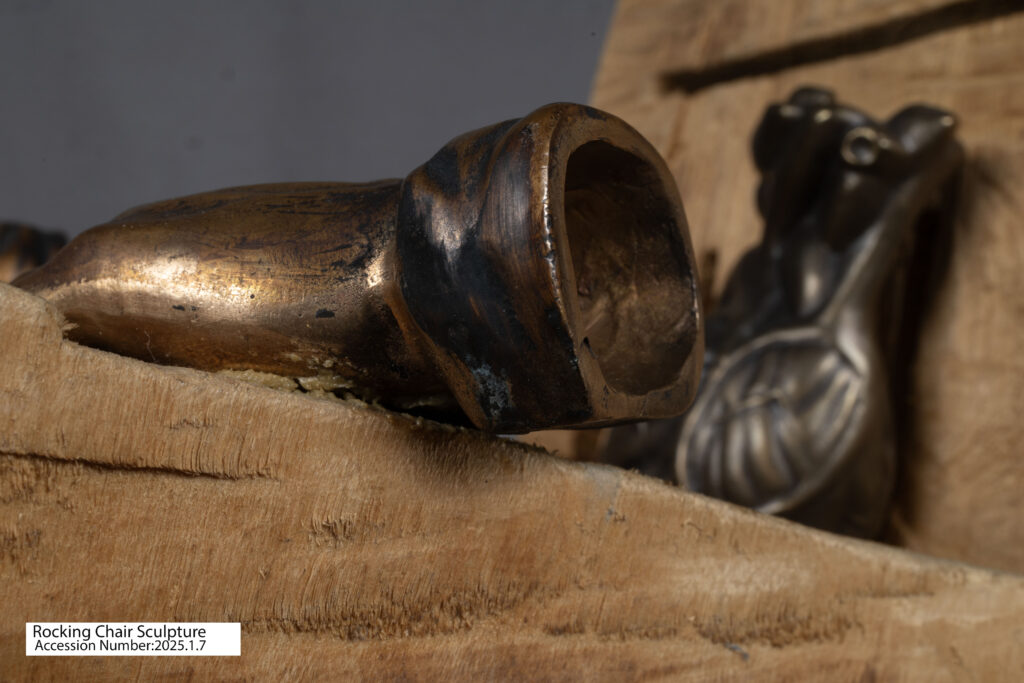
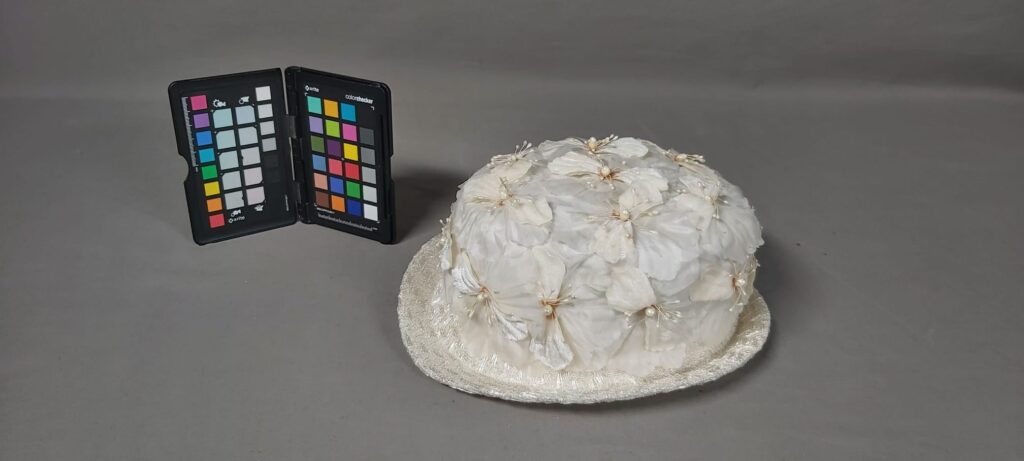
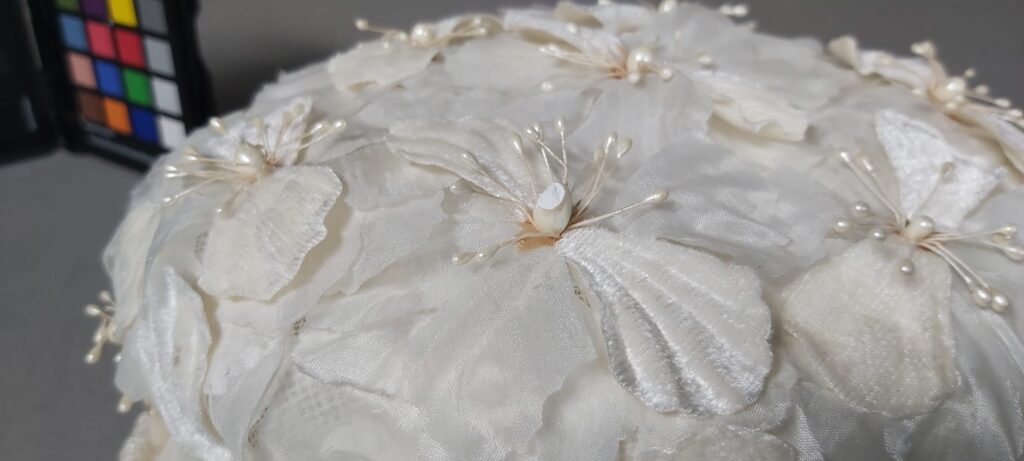
Photo Lab, Peterborough Museum & Archive, 2026
Cleaning in collection care is a controlled process aimed at removing surface dust, dirt, or contaminants while preserving the object’s integrity. It requires careful assessment, appropriate materials, and minimal intervention to avoid damage. Proper cleaning supports long-term preservation while respecting the artifact’s historical and material authenticity.
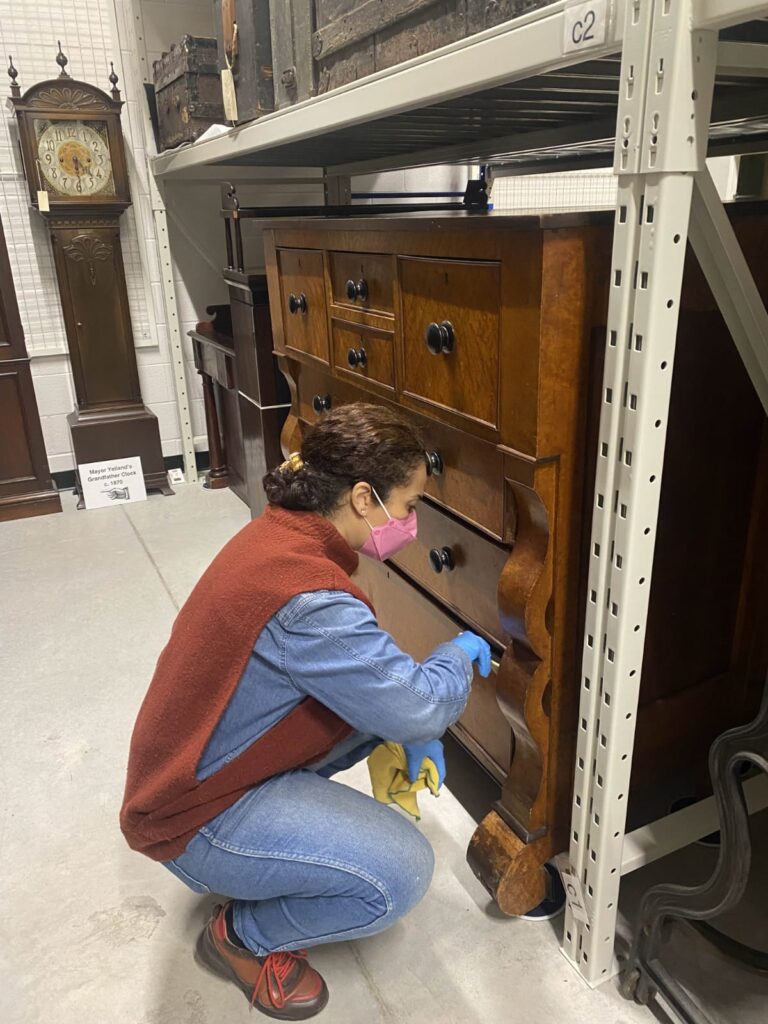
Curatorial Center, Peterborough Museum & Archive, 2025

Curatorial center, Peterborough Museum & Archive, 2025, Photo by Evan Barclay

Cataloguing, as outlined by the Canadian Conservation Institute (CCI), is the structured process of creating a comprehensive and permanent record for each object in a collection. It involves assigning a unique accession or catalogue number and systematically documenting essential information such as object name, materials, techniques, dimensions, maker (if known), date, provenance, cultural context, and current condition. Clear, consistent terminology and controlled vocabulary are used to ensure accuracy and retrievability. Photographic documentation is integrated into the record to support identification and future reference visually. Effective cataloguing establishes intellectual control over the collection, strengthens accountability, and provides the foundation for conservation planning, research, exhibition development, and responsible collections stewardship